
Jul 13 2026
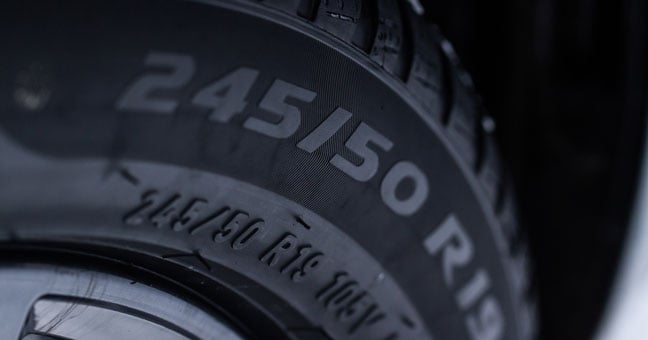
The wrong tire can look completely identical to the right one. Same brand, same tread pattern, same size label on the shelf, and can still be the wrong choice. The difference lives on the sidewall, in a standardized code that most drivers never learn to read and some professionals don't look at closely enough. This guide breaks down exactly what each marking means and why it matters. This coding is standardized across every brand and manufacturer, and once you know how to read it, the right tire selection becomes straightforward.
That said, reading the sidewall only tells you what’s on the tire in front of you, not the tire that is actually ideal for your vehicle. That’s where getting the factory specification right becomes critical, especially for shops ordering tires before a vehicle even arrives.
Most tires begin with a standardized sequence of letters and numbers that defines the tire's size and intended application. Reading this code correctly is the foundation for everything else on the sidewall.
Take the tire code P225/55R18 98V as an example. Each segment communicates something specific:
Selecting the correct size ensures the tire properly fits the wheel and maintains the vehicle's intended ride quality, handling, and fuel efficiency. An incorrect size can result in fitment issues, braking performance problems, speedometer inaccuracies, and increased wear on both the tire and drivetrain. Verifying the full-size code before sourcing a replacement is a straightforward way for service departments and parts retailers to avoid those issues.
The load index is the number that appears immediately after the rim diameter in the tire code. In P225/55R18 98V, that number is 98. It represents the maximum weight the tire can safely support when properly inflated, based on a standardized industry scale. Load index 98 corresponds to a maximum load capacity of 1,653 lbs per tire. To put that in context, here is a sample of values from the load index scale:
| Load Index | Max Load Capacity (lbs) |
| 95 | 1,521 lbs |
| 96 | 1,565 lbs |
| 97 | 1,609 lbs |
| 98 | 1,653 lbs |
| 99 | 1,709 lbs |
| 100 | 1,764 lbs |
| 103 | 1,929 lbs |
Load index values typically range from 70 to 126 or higher, with each increment representing a meaningfully higher load capacity. For most passenger vehicles, the manufacturer will recommend a load index for the weight of the vehicle, passengers, and cargo under normal operating conditions.
For dual-rear-wheel vehicles, each tire carries a portion of the total axle load, which makes matching the load index to the vehicle specification especially important. Defaulting to a comparable tire without verifying the load index can result in an underrated tire carrying more than it is designed to handle.
Exceeding a tire's load capacity increases heat buildup, accelerates wear, and raises the risk of tire failure or blowout. When in doubt, the vehicle owner's manual and the placard on the driver's door jamb both list the manufacturer's recommended tire specifications.
The speed rating is the letter that follows the load index in the tire code. In P225/55R18 98V, that letter is V, which indicates the tire is rated for sustained speeds up to 149 mph. Speed ratings are determined through controlled testing and assume the tire is properly inflated, the vehicle is carrying an appropriate load, and driving conditions are normal.
Common speed ratings and their thresholds include:
A common misunderstanding is that this rating is not a recommended driving speed. This rating only reflects the tire’s structural capability under the ideal testing conditions and is used to match the tire to the performance characteristics for the vehicle.
Beyond size, load, and speed, tire sidewalls include additional markings that communicate safety certifications, manufacturing details, and performance classifications. These are worth knowing, particularly for professionals making tire recommendations or managing inventory across multiple vehicle types.
The DOT serial number confirms the tire meets federal safety standards set by the Department of Transportation. The last four digits of the DOT code identify the week and year of manufacture. For example, a tire marked 2423 was manufactured in the 24th week of 2023. This detail is useful when assessing tire age for replacement decisions. Most manufacturers recommend replacing tires after six to ten years regardless of tread depth, making the manufacture date relevant for fleet vehicles, used vehicle inspections, and stored inventory.
M+S stands for mud and snow and indicates the tire meets a basic all-season traction standard. The three-peak mountain snowflake (3PMSF) symbol indicates the tire has passed more rigorous winter performance testing and is certified for use in severe snow conditions. These two markings are not equivalent. A tire can carry the M+S designation without the 3PMSF symbol, which means it meets a general traction threshold but has not been tested against the more demanding winter standard. The distinction matters when specifying tires for cold-weather markets or fleet vehicles operating across varied climates.
The Uniform Tire Quality Grading system provides three standardized ratings that help compare tires within the same category:
UTQG ratings are especially useful for parts professionals helping customers compare options at different price points or for fleet managers standardizing specifications across a vehicle pool.
Consider a common shop scenario: a customer calls ahead to schedule a tire replacement appointment. They give you their vehicle make, model, and year, but when it comes to the exact tire spec, they’re not sure. If you order based on a guess and the tires arrive before the car does, you risk having the wrong load index, the wrong speed rating, or a size that doesn’t match what the manufacturer specified. That’s a wasted order, a delayed appointment, and a frustrated customer.
DataOne solves this by providing factory tire specifications tied directly to a vehicle’s VIN. Instead of relying on what a customer remembers or what’s currently on the car, a shop can look up the OEM-specified tire size, load index, and speed rating for that exact vehicle before it ever pulls into the bay. It’s the difference between ordering with confidence and ordering with fingers crossed.
Reading a tire sidewall is a practical skill that takes only a moment once the code is familiar. Matching the correct size, load index, speed rating, and applicable certifications ensures the vehicle performs as intended and that replacement decisions are based on accurate information rather than assumption.
For drivers, this knowledge means fewer surprises and more confidence at the point of purchase. For service professionals, parts specialists, and fleet managers, it's the difference between a recommendation made from habit and one made from verified specifications. Knowing how to read it puts you in control, regardless of whether you're the one behind the wheel or the one behind the counter.
